
The part nobody sees
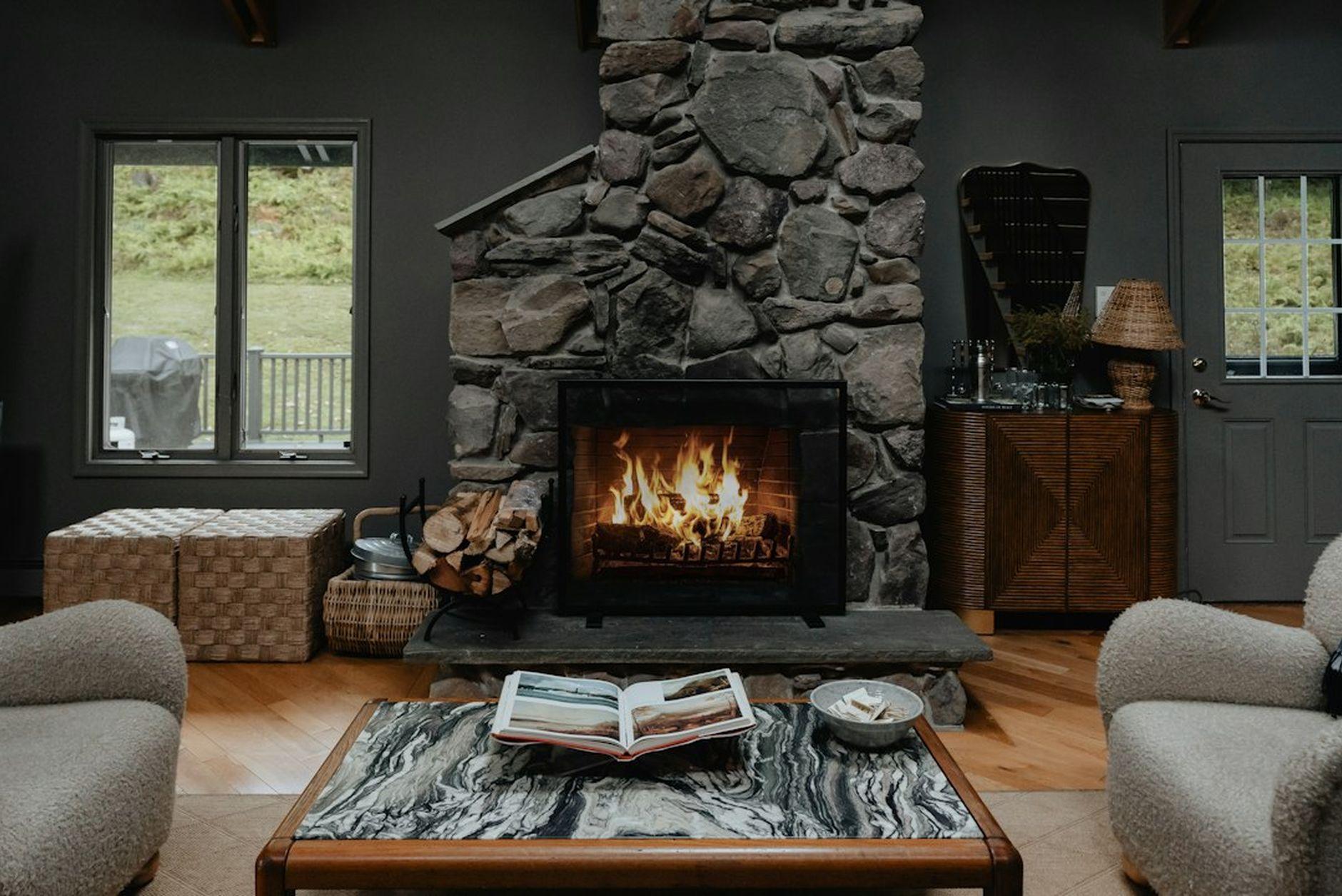
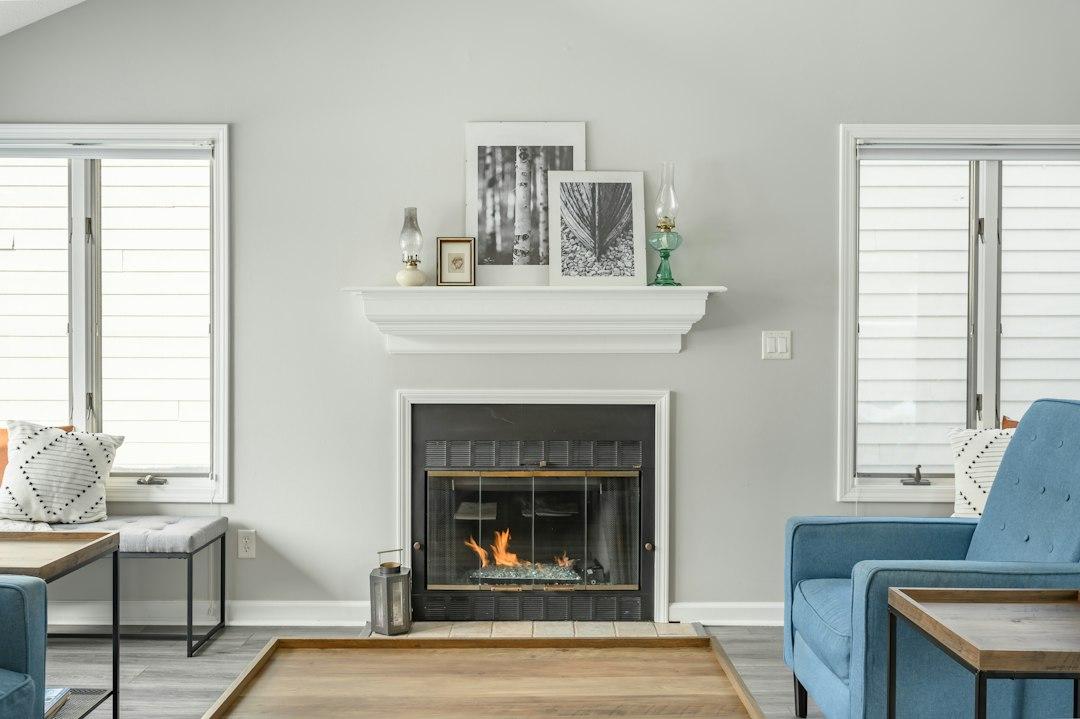
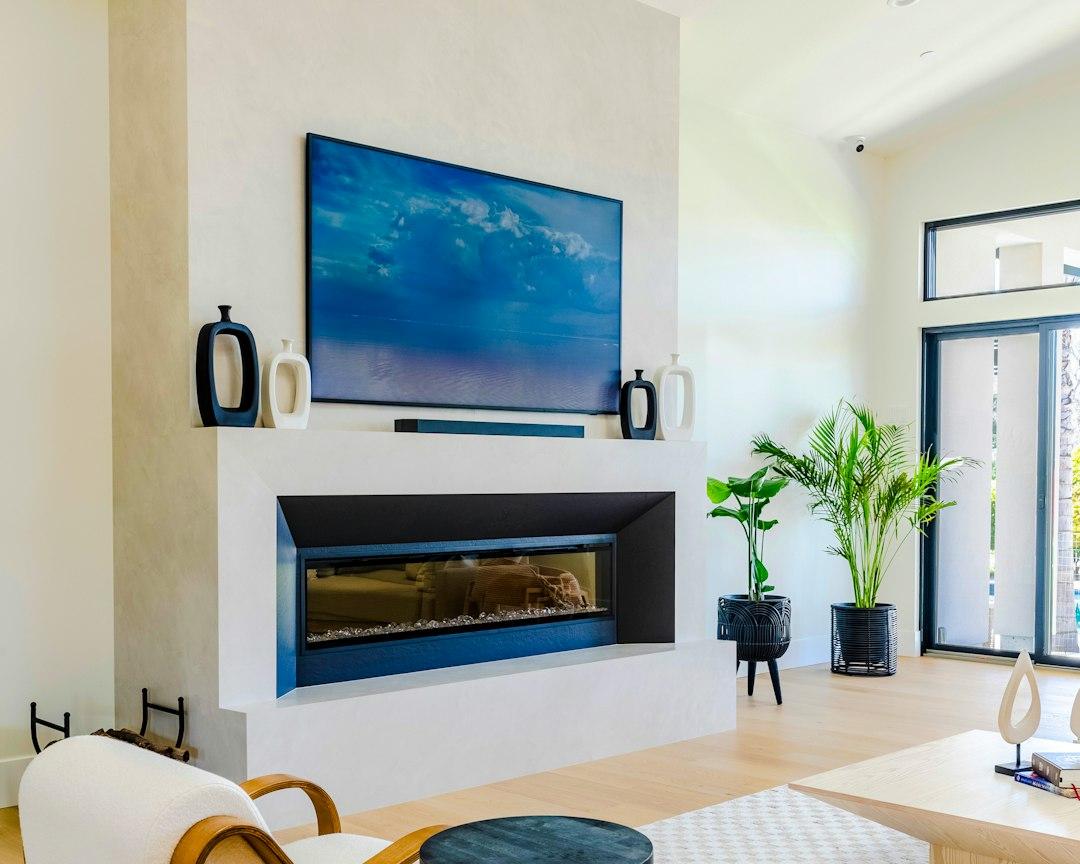
A new insert gets all the attention: the slate or porcelain around it, the slim steel frame, the oak beam above. Hidden inside the brick, a stainless pipe does the real work, carrying every bit of exhaust from the top of the unit to the open air above the roof. Owners in Westminster rarely ask about it until it appears on a quote. This post explains why it is there and what decides its cost.
Why an insert needs its own pipe
An old masonry flue was sized for an open wood fire: a big, hot column of smoke rushing up a wide clay tile. An insert makes far less exhaust, and it leaves the box cooler. Send that small, cool stream into a wide old flue and it slows down, cools further and lets moisture condense on the tile. Over time that moisture, carrying acids from combustion, eats at mortar joints and can find its way to the plaster on the chimney breast.
A liner matched to the outlet of the unit keeps the exhaust moving at the right speed all the way up. Most insert makers' instructions call for one, and the listing of the unit is what the installation is checked against. A well fitted liner also seals the system from end to end, so the warm air in your living room stays in the living room.
What goes into the chimney
- The liner itself. Usually flexible stainless steel for gas inserts, chosen for the fuel and sized to the unit's outlet. Rigid sections suit some straight flues.
- A connection at the bottom. The liner joins the unit's outlet behind the trim panel, where nobody will see it again.
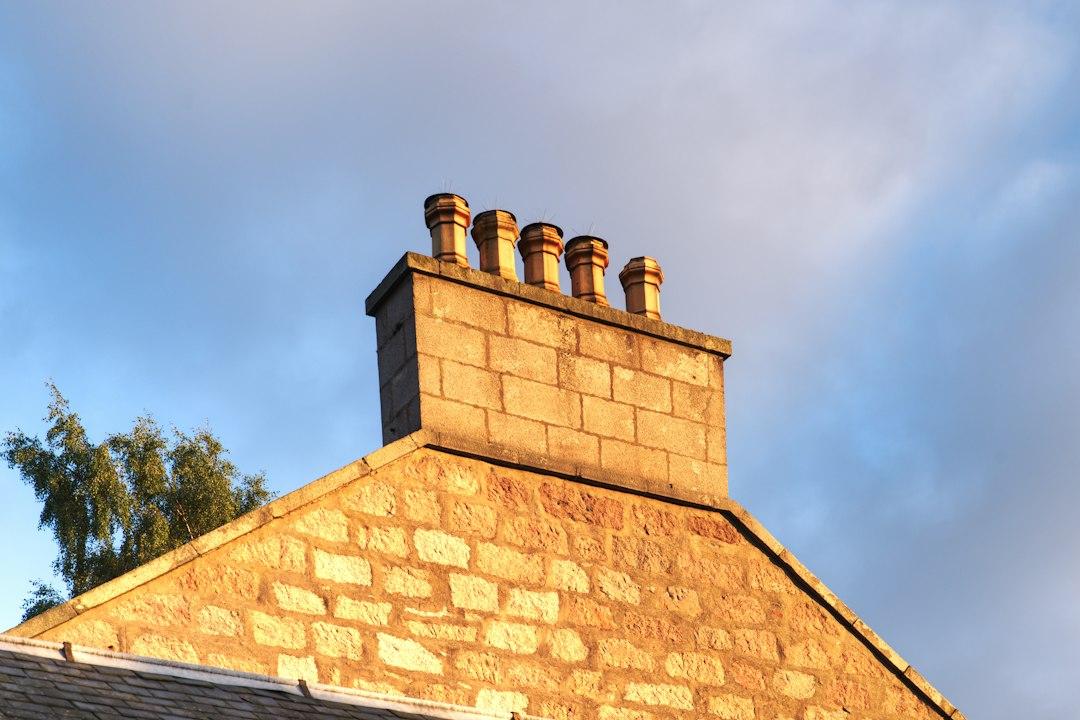
- A top plate and cap. A plate closes the old clay flue around the liner at the top, and a cap above it shuts out rain and nesting birds.
- Insulation where it is called for. Some flues and some units need the liner wrapped. The maker's instructions and the space inside the flue decide.
From the room, all you see is the trim around the glass. From the street, all you see is a small cap where the old open flue used to be.
When the old flue is cracked
A Level 2 camera run often turns up cracked or offset clay tiles in older Westminster chimneys. On an open fireplace that can be a reason to stop burning. For an insert, a full-height liner bypasses the cracked tile entirely, which is one reason so many conversions are planned this way. The camera tells us which case you are in, and whether anything else, such as a loose top course of brick or an open crown, needs work while we are up there.
What decides the price
Liner work has no list figure of its own. These are the things that set it, and the written quote names each one:
- how tall the chimney is from the firebox to the top, since a two-storey stack needs more pipe and more time on the roof;
- whether the old flue runs straight or doglegs, which decides whether flexible liner can follow it;
- how much of the old damper and smoke chamber has to be cleared for the pipe to pass;
- whether insulation is required for the unit and the flue;
- the roof itself: low-pitched shingle is quicker to work than steep clay tile.
The figures we do publish sit around it. An insert set into the existing opening runs $2,900 to $5,850, and the written quote shows the vent run as its own line so you can see what it adds. The Level 2 camera inspection before the work is $410. A new cap on its own is quoted after we measure, and the price depends on size and material.
Ask for a liner and insert visit through the quote form, noting how many storeys the house has and the insert you are considering. We call back to set up the camera run, and the written quote is built on what it shows.
Liners for wood inserts and stoves
Wood inserts and freestanding stoves vented into a masonry chimney follow the same idea, with a liner rated for wood and usually a larger diameter. Wood smoke leaves deposits, so these liners need a regular sweep. A gas liner needs far less attention, though we still look at the cap and the top plate on routine visits.
Questions owners ask
Does a gas log set need a liner? A vented log set uses the open masonry flue as it is, with the damper fixed partly open, so it usually does not. The camera still checks that the flue is sound before the set goes in.
Can a liner from an old insert be reused? Only if it matches the outlet and the fuel of the new unit and passes inspection. Often the size is wrong and a new run is the safer answer.
Will the liner change how the fireplace looks? Not from inside. The trim panel and the surround you choose set the look in the room.
For more, see liner installation and fireplace inserts, or compare an insert with a log set.
Planning an insert in Westminster
If an insert is part of your remodel, start with a note on our contact page. We plan the vent run and the finish together, so the pipe nobody sees is right before the face everyone sees goes up.
Want This Done on Your Own Fireplace?
Bancroft Chimney Works measures the wall, brings tile and stone samples and checks the firebox before writing a scope. Homes in Westminster, Garden Grove, Huntington Beach and Lakewood are all within reach.